Indigenous Heritage
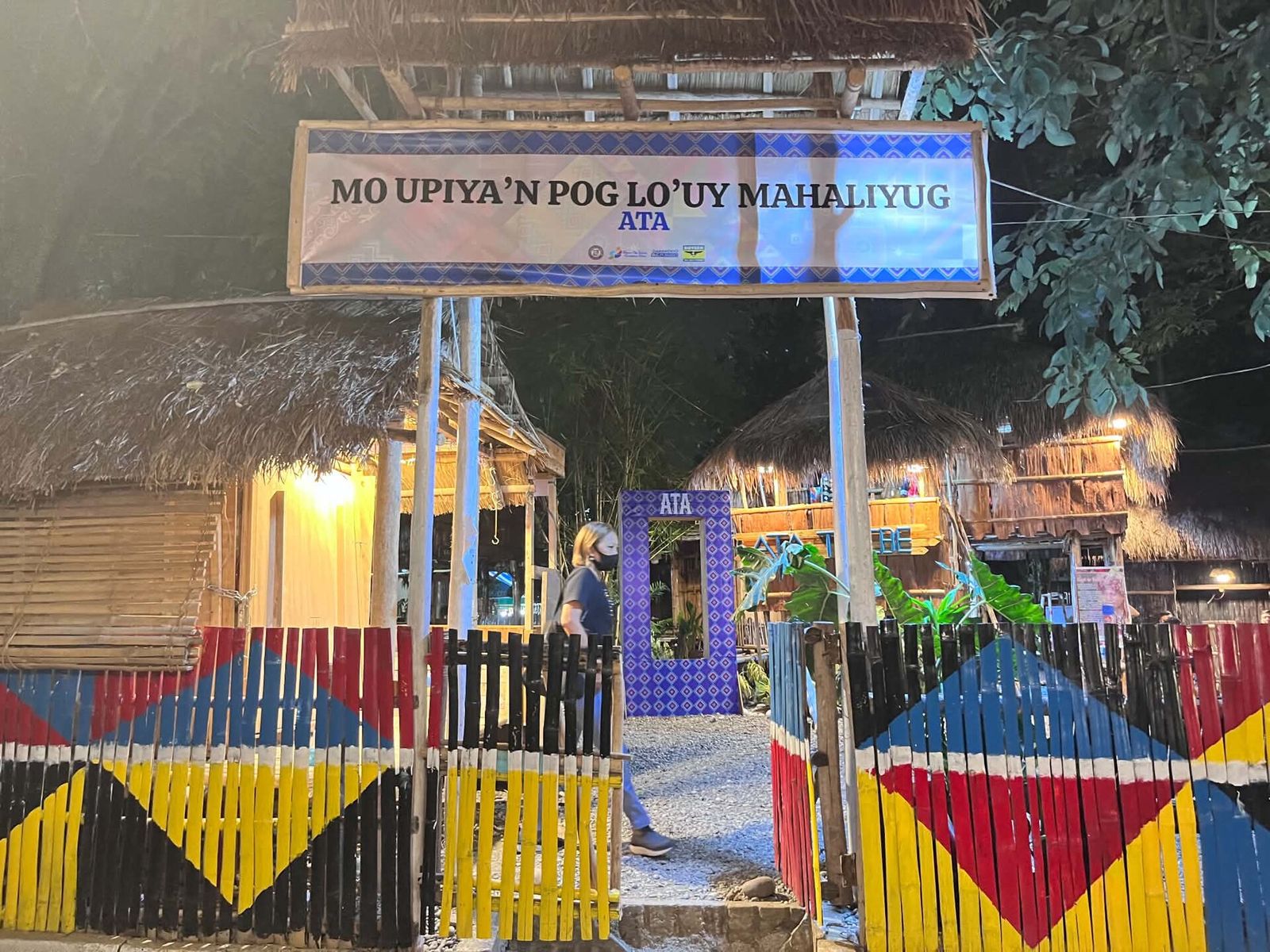
Bagobo Klata, Bagobo Tagabawa, Obu Manuvu, Matigsalug, Ata, Kagan, and other communities are part of Davao’s present, not only its past. Their houses, cloth, and ceremonies are best met with time and respect.
Events & Festivals
Davao’s calendar turns on the harvest, on indigenous heritage, and on neighborhoods that still know how to throw a fiesta.
Featured Festival
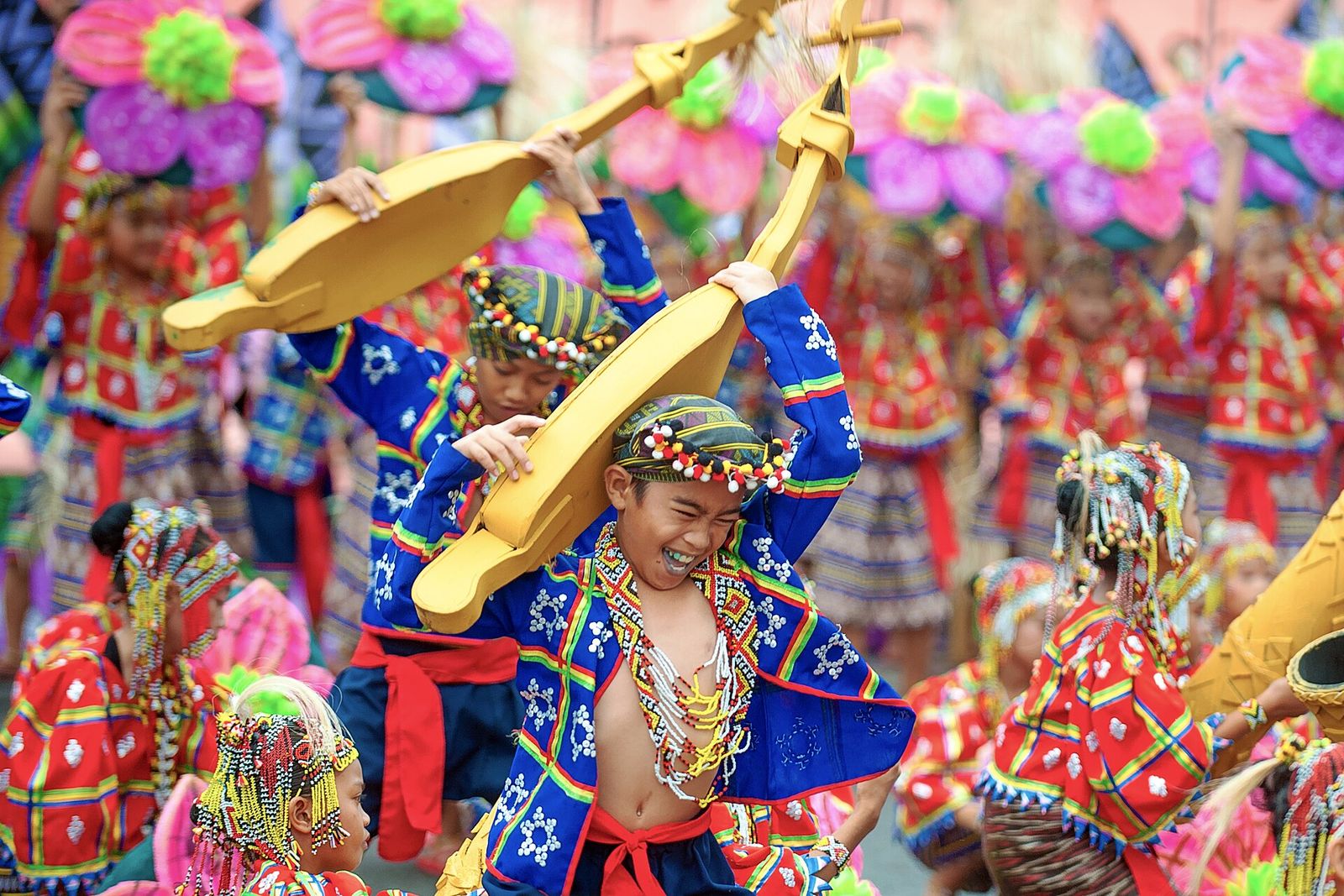
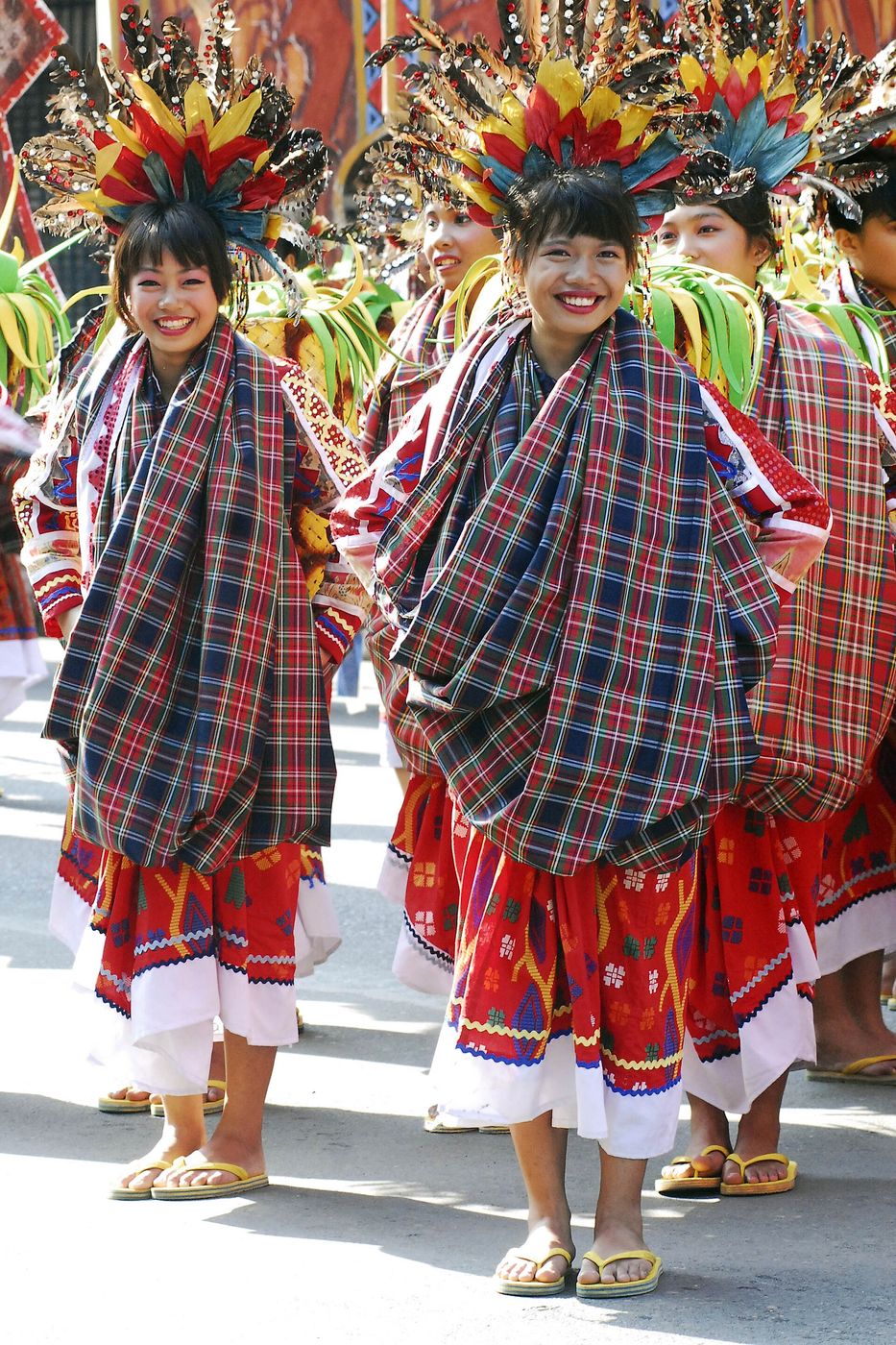
The name comes from “Madayaw,” a word for what is good, beautiful, and of value. Every August, Davao thanks the harvest and the indigenous cultures of the city. The Indak-indak street-dancing parade and the floral floats are the public heart of the week.
Explore
Bagobo Klata, Bagobo Tagabawa, Obu Manuvu, Matigsalug, Ata, Kagan, and other communities are part of Davao’s present, not only its past. Their houses, cloth, and ceremonies are best met with time and respect.
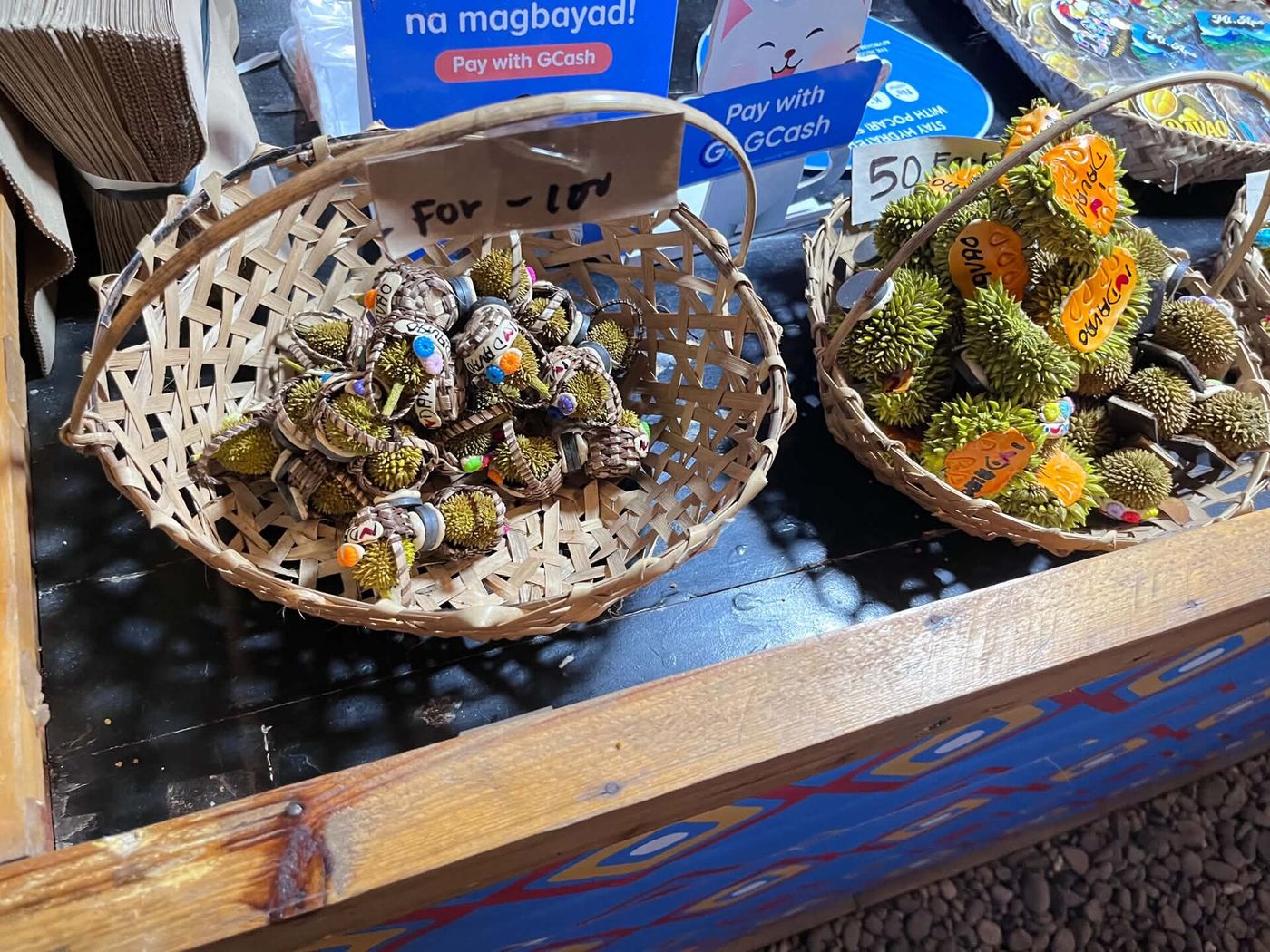
Weaving, beadwork, and carved patterns travel from community workshops into festival dress and gallery displays. Look closely: the geometry is a language.
Indak-indak troupes rehearse for months. Headdresses, percussion, and formations turn the harvest into a moving street stage during Kadayawan.
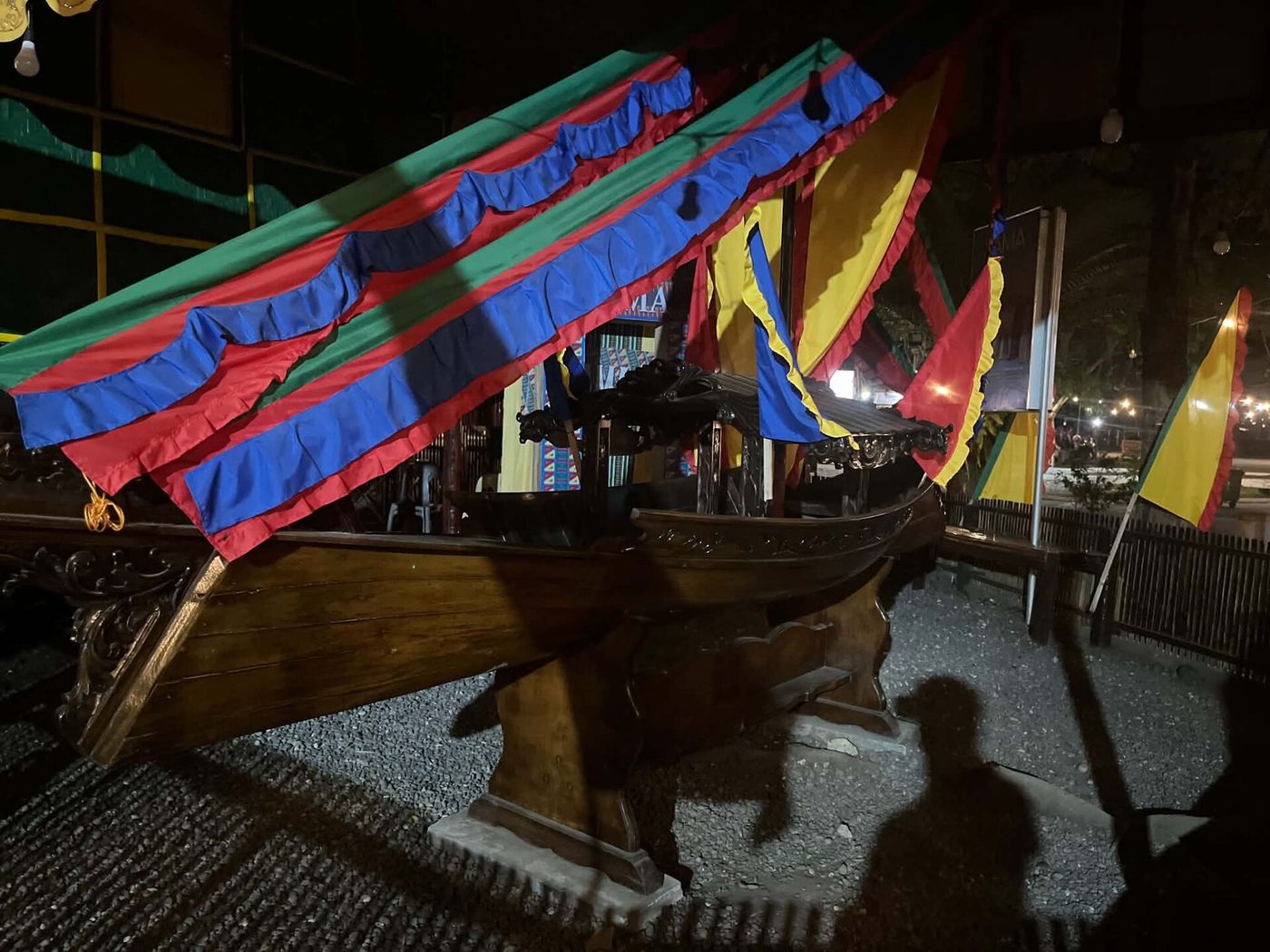
Beyond the main parade, cultural villages and neighborhood fiestas open their gates. A painted fence, a ceremonial boat, or a shared meal can be the memory that stays.
These are living communities. A cultural village during Kadayawan is an introduction, not the whole story. Museums such as Museo Dabawenyo are a respectful next step.
Peoples of the highlands around Mount Apo, known for traditional weaving, brass, and a deep tie to the mountain.
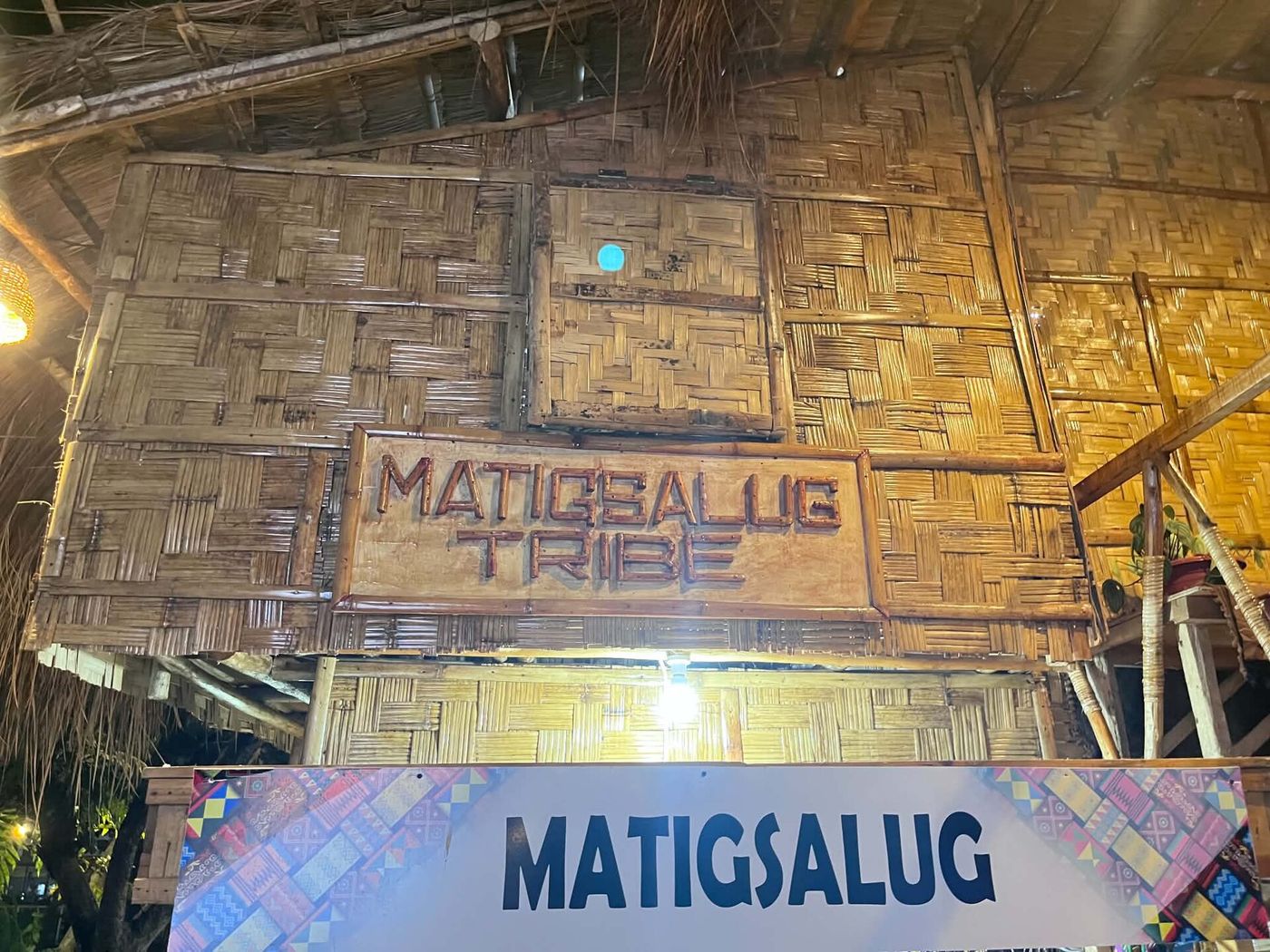
A river people whose name refers to life along the water, with communities in the Davao uplands.
One of Davao’s indigenous communities, present in cultural villages that welcome guests during city celebrations.
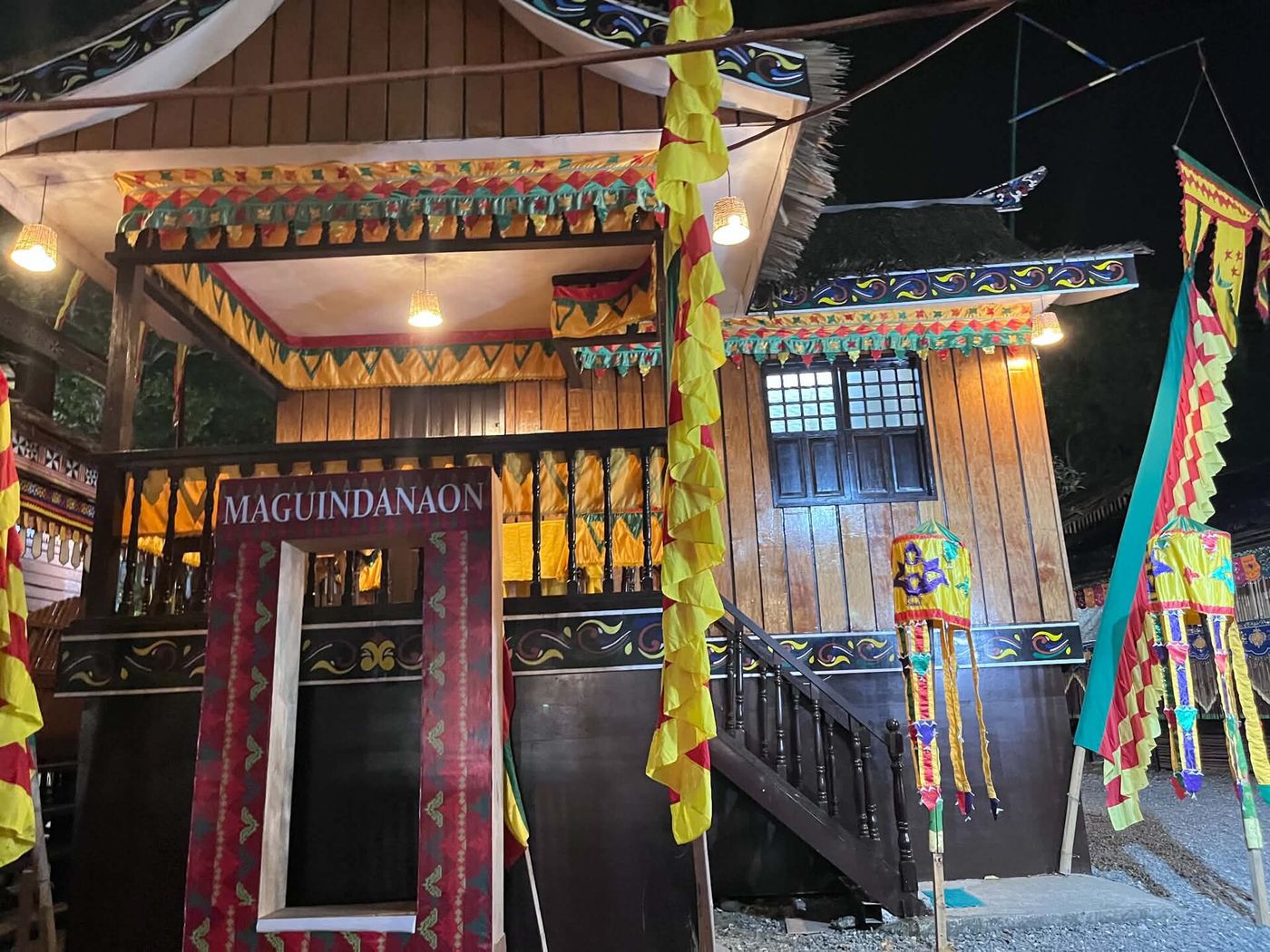
Homes, boats, and textile patterns that carry the maritime and river traditions of Mindanao into the city.